
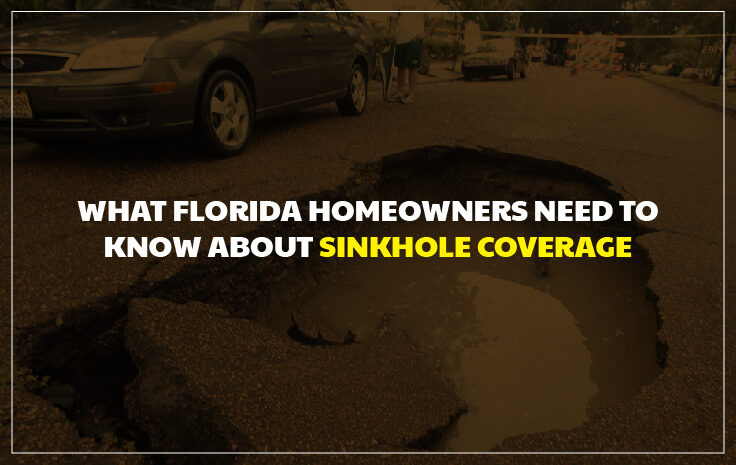
What Florida Homeowners Need to Know About Sinkhole Coverage
Florida homeowners face many natural risks, including hurricanes, flooding, and severe storms. One risk that often surprises people is sinkholes. While sinkholes are not common in every area, they do occur in certain parts of the state and can cause serious damage to homes and property. Because of this, many homeowners start searching for information about Sinkhole Insurance Florida when they want to better understand their protection.
A sinkhole happens when the ground beneath the surface collapses due to natural erosion of limestone and other underground rock. Florida’s geology makes parts of the state more vulnerable to these formations. When a sinkhole develops beneath a home, it can cause cracks in walls, uneven floors, foundation problems, or in severe cases structural collapse.
Many homeowners assume their standard Home Insurance Florida policy automatically covers sinkhole damage. However, the reality is more complicated. Some policies include limited protection called catastrophic ground cover collapse, while full Florida Sinkhole Coverage may require an additional policy endorsement.
Understanding the difference between these coverage types is important. Without the right protection, homeowners may face extremely high repair costs if sinkhole damage occurs.
The good news is that homeowners can take steps to protect themselves. By reviewing their policy carefully and discussing options with an insurance advisor, they can determine whether additional Sinkhole Insurance Florida protection makes sense for their property.
At Best Choice Insurance, we regularly help homeowners review their Home Insurance Florida policies to make sure they understand what is covered and what may require additional protection. In this guide, we will explain how sinkholes form, what insurance typically covers, and how homeowners can strengthen their Florida Sinkhole Coverage.
What Causes Sinkhole Insurance in Florida
Sinkholes form when underground rock layers slowly dissolve over time. Much of Florida sits on limestone, which is a type of rock that can gradually erode when exposed to groundwater.
As the rock dissolves, empty spaces may develop beneath the surface. Eventually, the ground above these spaces may collapse, creating a sinkhole.
Not every sinkhole is large or dangerous, but some can cause serious structural damage to homes.
Because of Florida’s unique geology, certain areas experience more sinkhole activity than others. This is one reason many homeowners consider adding Sinkhole Insurance Florida protection to their policy.
Signs That Sinkhole Activity May Be Occurring
Sinkholes often develop slowly before a collapse happens. In many cases, homeowners may notice warning signs.
Some common signs include:
Cracks appearing in walls or floors
Doors or windows suddenly sticking
Uneven or sloping floors
Cracks in the foundation or driveway
Small depressions forming in the yard
While these signs do not always mean a sinkhole is forming, they can indicate possible ground movement.
If homeowners notice unusual structural changes, it is important to investigate the issue and review their Florida Sinkhole Coverage.
What Standard Home Insurance Florida Usually Covers
Many homeowners believe sinkhole damage is automatically included in their insurance policy. In most cases, standard Home Insurance Florida policies include a limited type of protection called catastrophic ground cover collapse.
This coverage usually applies only if four conditions are met:
The ground cover collapses suddenly
A visible depression forms in the ground
The home’s structure is severely damaged
The home is declared unsafe to occupy
These conditions mean the damage must be extremely severe before coverage applies.
Because of these strict requirements, many homeowners choose to add separate Sinkhole Insurance Florida coverage for stronger protection.
What Florida Sinkhole Insurance Coverage Includes
Additional sinkhole coverage can provide broader protection than the basic catastrophic collapse coverage included in many policies.
Full Florida Sinkhole Coverage may help pay for structural repairs, foundation stabilization, and other damage caused by verified sinkhole activity.
However, insurers usually require a professional geological investigation before confirming a sinkhole claim.
This investigation may include soil testing, ground radar analysis, and engineering assessments.
While the process can be detailed, the additional protection offered by Sinkhole Insurance Florida can be valuable for homeowners in higher risk areas.
Areas in Florida With Higher Sinkhole Risk
Sinkholes can occur in different parts of Florida, but some regions experience them more frequently.
Central Florida counties often report higher levels of sinkhole activity due to underlying limestone formations.
Areas sometimes associated with higher sinkhole activity include regions around Tampa, Orlando, and parts of western Florida.
However, sinkholes can occur in other locations as well. Because of this, many homeowners review their Home Insurance Florida policies to understand their level of protection.
An insurance advisor can help determine whether additional Florida Sinkhole Coverage may be appropriate for a specific property.
How Much Sinkhole Coverage Costs
The cost of Sinkhole Insurance Florida can vary depending on several factors.
These may include:
Location of the property
Soil conditions in the area
Home construction type
Coverage limits selected
Homes located in higher risk areas may have higher premiums for Florida Sinkhole Coverage.
However, for many homeowners, the cost may still be small compared to the potential cost of repairing structural damage caused by a sinkhole.
How Best Choice Insurance Helps Florida Homeowners
Understanding sinkhole coverage can feel confusing because policies vary between insurers.
At Best Choice Insurance, we help homeowners review their Home Insurance Florida policies and identify potential coverage gaps. Our team compares multiple insurance providers and explains the available options clearly.
Rather than offering generic policies, we focus on helping homeowners build protection plans that match their property risks.
For homeowners who want additional peace of mind, we can help explore Sinkhole Insurance Florida options and determine whether additional Florida Sinkhole Coverage makes sense.
Our goal is to help homeowners feel confident that their property is protected against unexpected risks.
Conclusion
Sinkholes are not something most homeowners think about every day. However, in Florida they remain a real geological risk in certain areas.
Understanding how sinkholes form and how insurance coverage works can help homeowners avoid costly surprises.
While standard Home Insurance Florida policies may include limited protection, additional Sinkhole Insurance Florida coverage can provide broader financial protection against structural damage.
Reviewing your policy, understanding local risks, and discussing coverage options with an experienced advisor are important steps toward protecting your home.
At Best Choice Insurance, we help Florida homeowners understand their coverage clearly and find insurance solutions that protect their homes and financial security.
FAQs
What is Sinkhole Insurance Florida?
Sinkhole Insurance Florida is additional coverage that protects homeowners against structural damage caused by verified sinkhole activity.
Does Home Insurance Florida cover sinkholes?
Most standard Home Insurance Florida policies include limited protection for catastrophic ground cover collapse but may not cover all types of sinkhole damage.
What is Florida Sinkhole Coverage?
Florida Sinkhole Coverage is an optional policy endorsement that expands protection for homes damaged by sinkhole activity.
How do homeowners know if they need sinkhole coverage?
Homeowners should review their location, soil conditions, and existing Home Insurance Florida policy to determine whether additional coverage may be beneficial.
What are common signs of sinkhole activity?
Possible warning signs include cracks in walls or floors, uneven flooring, sticking doors or windows, and ground depressions near the home.